
.svg)

Monitoring obciążenia śniegiem na dachu w czasie rzeczywistym
Zautomatyzuj monitorowanie śniegu na dachu za pomocą Pralady i śledź gromadzenie się śniegu, stan dachu i zmiany konstrukcyjne w czasie rzeczywistym - wszystko z jednej platformy.
Zwiększ bezpieczeństwo konstrukcji i uniknij kosztownych awarii.
Czujniki śniegu i technologie IoT dla dachu
Dostosowujemy nasze rozwiązanie do konkretnego środowiska, koncentrując się na trzech kluczowych parametrach:
Rozwiązanie opiera się na inteligentnych czujnikach, które zapewniają wysoką dokładność pomiarów. Prylada oferuje 2 opcje:

Inklinometry są instalowane w kluczowych punktach konstrukcji pod dachem, gdzie najczęściej występują naprężenia. Czujniki te umożliwiają precyzyjny monitoring ugięcia dachu w czasie rzeczywistym, analizując jego reakcję na obciążenie śniegiem.
Najważniejsze funkcje:
- bezpośredni pomiar ugięcia konstrukcji dachowej
- monitoring obciążenia dachu poprzez analizę deformacji
- kompaktowe czujniki odporne na warunki atmosferyczne (bez ingerencji w konstrukcję)
- ciągły monitoring 24/7 z alertami o przekroczeniu progów bezpieczeństwa
- wsparcie w weryfikacji obliczeń konstrukcyjnych i norm obciążenia śniegiem
Idealne rozwiązanie dla obiektów, gdzie kluczowe jest monitorowanie zachowania konstrukcji pod wpływem śniegu.

Radar instalowany na powierzchni dachu umożliwia dokładny pomiar wysokości warstwy śniegu, co pozwala na precyzyjne obliczenie obciążenia śniegiem (kg/m²).
Najważniejsze funkcje:
- wielopunktowy pomiar grubości śniegu na dachu
- dokładne obliczanie obciążenia śniegiem (kg/m²)
- monitoring rozkładu śniegu na dużych powierzchniach dachowych
Idealne rozwiązanie dla monitorowania obciążenia śniegiem na dachach hal, magazynów i obiektów przemysłowych.
Używane razem dają ci to, czego żaden z nich nie może zapewnić sam
Inklinometr mówi ci jak struktura reaguje. Radar mówi ci co to powoduje. W połączeniu uzyskujesz pełny obraz: nie tylko to, że dach jest obciążony, ale także ile śniegu jest obecnego, gdzie jest on rozłożony i co to oznacza dla bezpieczeństwa konstrukcji.
Każdy obiekt jest inny. Niektórzy klienci zaczynają od samych inklinometrów, inni priorytetowo traktują najpierw charakterystykę śniegu. Konfigurujemy odpowiednią konfigurację dla konkretnego dachu, budżetu i profilu ryzyka.
Nie wiesz, które podejście pasuje do Twojego obiektu?
Opowiedz nam o swoim dachu: jego wielkości, wieku i czy zawiera panele fotowoltaiczne, a my zalecamy optymalną konfigurację pomiarową.
Prześlij szczegóły projektuStworzony z myślą o ludziach, którzy są odpowiedzialni za ryzyko
Obciążenie śniegiem nigdy nie jest tylko problemem technicznym - jest to problem finansowy, operacyjny i prawny. Oto jak Prylada dostarcza wartość każdemu interesariuszowi.

„Nie wiem, czy dach jest teraz bezpieczny - dowiaduję się tylko wtedy, gdy jest za późno”.
- Wymień ręczne inspekcje zimowe na automatyczne alerty 24/7 — nie ma już wspinania się po dachu w temperaturze -15°C
- Dowiedz się dokładnie, kiedy potrzebne jest usuwanie śniegu, a nie „na wszelki wypadek”.
- Zmniejsz niepotrzebne koszty usuwania, działając tylko wtedy, gdy wymagają tego dane
- Dokumentuj każde zdarzenie ładowania do celów audytu i zgodności

„Dachy o dużej powierzchni są bardzo narażone. Nie widzę rzeczywistych warunków obciążenia podczas imprez zimowych.”
- Uzyskaj dostęp do danych obciążenia oznaczonego znacznikiem czasu w celu obiektywnej oceny roszczeń
- Nagradzaj proaktywnie monitorowane obiekty niższymi składkami
- Sprawdź, czy obowiązki związane z odśnieżaniem zostały spełnione — przed złożeniem roszczenia
- Zmniejsz zagrożenie moralne: ubezpieczone działają na podstawie danych, a nie bezwładności

Incydent strukturalny może zatrzymać operacje na tygodnie i kosztować miliony. Nie mogę polegać na przeczuciu”.
- Ciągłe dane konstrukcyjne chronią przed nieplanowanymi przestojami i kosztami naprawy
- Udokumentowana historia monitoringu zwiększa wartość nieruchomości i obniża składki ubezpieczeniowe
- Wykazuje zgodność z przepisami bezpieczeństwa budynków ubezpieczycielom i organom
- Bezpiecznie odblokowuj dodatkowe przychody z dachu: instalacje fotowoltaiczne, sprzęt dachowy

„Obliczenia opierają się na normach. Prawdziwe zachowanie obciążenia często się różni - i nie mam sposobu, aby zweryfikować go zdalnie”.
- Porównaj rzeczywiste dane ugięcia z teoretycznymi obliczeniami obciążenia
- Zidentyfikuj strukturalne słabe punkty, zanim staną się awaryjnymi
- Obsługa oceny obciążenia fotowoltaicznego pomiarami empirycznymi, a nie szacunkami
- Zdalny dostęp do aktualnych i historycznych danych czujników — nie są wymagane żadne wizyty w witrynie

Jak działa system Prylada monitorowania obciążenia śniegiem?
Komponenty Prylada umożliwiają automatyczne monitorowanie gromadzenia się śniegu przez całą dobę z intuicyjnymi wykresami i powiadomieniami SMS na telefon komórkowy.

Czujniki i inklinometry
Do pomiaru kąta ugięcia, gęstości i masy. Zainstalowany w/pod dachem budynku w celu zbierania precyzyjnych danych dotyczących obciążenia śniegiem.

Bramy
Bezprzewodowo przesyłaj zebrane dane z czujników do centrum zdalnego sterowania działającego lokalnie lub w chmurze.

Chmura Prylada
Przechowuje, analizuje i wizualizuje zebrane dane. Umożliwia także zdalne zarządzanie wszystkimi połączonymi bramami.
*(opcjonalnie; alternatywa dla chmury prywatnej lub serwera lokalnego)
Analityka oparta na ML
Wszystkie rozwiązania Prylada wykorzystują współdzieloną strukturę uczenia maszynowego, która analizuje wzorce danych czujników i korelacje w czasie rzeczywistym.
Model ML identyfikuje normalne i krytyczne stany obciążenia śniegiem poprzez analizę masy, temperatury i wzorców środowiskowych, nawet gdy bezpośrednie pomiary obciążenia są niekompletne.
Aplikuj do oceny technicznej swojego obiektu
Skontaktuj się z nami
Prylada oferuje różne opcje przesyłania danych z punktów monitorowania obciążenia śniegiem dachu. Obecnie rekomendujemy bezprzewodowy transfer danych z czujników do centralnej bramki monitoringu dla maksymalnej wygody i niezawodności.Elastyczna konfiguracja systemu pozwala dostosować monitoring dachu i konstrukcji do indywidualnych wymagań obiektu. Wybierz rozwiązanie najlepiej dopasowane do swoich potrzeb.
Panel administracyjny Prylady umożliwia proste zarządzanie systemem monitorowania obciążenia śniegiem. Dzięki intuicyjnemu interfejsowi możesz zdalnie konfigurować scenariusze działania, zarządzać bramkami, dostosowywać ustawienia pomiarów oraz konfigurować alerty bezpieczeństwa.Wybierz preferowaną metodę otrzymywania powiadomień o przeciążeniu dachu przez SMS lub e-mail.
.gif)
Dynamiczne przełączanie trybu w monitorowaniu obciążenia śniegiem
Pralada automatycznie dostosowuje częstotliwość pomiarów na podstawie nagromadzenia śniegu i zmian warunków na dachu, zapewniając dokładny monitoring zagrożeń związanych ze śniegiem, optymalizując jednocześnie wydajność systemu.
System mierzy obciążenie dachu przy niskiej częstotliwości w normalnych warunkach, minimalizując zużycie energii.
Gdy obciążenie śniegiem ustabilizuje się lub zmniejszy, system automatycznie powraca do trybu niskiej częstotliwości, zapewniając wydajne zużycie energii.
Gdy nagromadzenie śniegu osiągnie predefiniowaną wagę krytyczną, przełącznik uruchamiany sprzętowo zwiększa częstotliwość pomiaru.
System wykonuje pomiary o wysokiej częstotliwości w celu oceny zmian obciążenia śniegiem i potencjalnych zagrożeń konstrukcyjnych.
To adaptacyjne monitorowanie na poziomie sprzętowym umożliwia proaktywne zarządzanie bezpieczeństwem konstrukcji bez nadmiernego zużycia energii.
Zapewnij bezpieczeństwo dachu tej zimy. Wypełnij formularz, a my polecimy najlepsze rozwiązanie do monitorowania śniegu na dachu dla twojego budynku.

Ile waży śnieg na dachu? Dopuszczalne obciążenie śniegiem dachu
Sama głębia śniegu nie mówi całej historii. Ta sama głębokość śniegu może powodować bardzo różne obciążenia dachu w zależności od gęstości śniegu, zawartości wilgoci i warunków pogodowych. Dlatego opieranie się wyłącznie na wysokości śniegu może prowadzić do niedokładnych ocen ryzyka.
Pralada łączy pomiary głębokości śniegu z monitorowaniem ugięcia dachu w czasie rzeczywistym, aby oszacować rzeczywiste obciążenie dachu i wykryć zmiany w zachowaniu konstrukcji. Dzięki wspólnej analizie tych pomiarów system zapewnia bardziej wiarygodną ocenę zagrożeń związanych ze śniegiem przez całą zimę.
Oceniając bezpieczeństwo dachu, należy również wziąć pod uwagę geometrię dachu, projekt konstrukcyjny i lokalne warunki śniegowe.
17 to 20 cm

38 to 43 cm

70 to 80 cm
.svg)
Większość dachów o dużych powierzchniach nosi sprzęt, który został zainstalowany bez uwzględnienia zimowych obciążeń śniegiem. Kiedy gromadzi się śnieg, nie tylko naciska na konstrukcję - zakłóca również wszystko inne tam na górze.
Śnieg gromadzi się na panelach i wokół nich, zmniejszając moc wyjściową — czasami do zera. Panele zmieniają również sposób rozprowadzania śniegu na powierzchni dachu, tworząc nierówne kieszenie ładunkowe, które trudno ocenić bez czujników. Ręczne czyszczenie grozi uszkodzeniem panelu i często jest po prostu niewykonalne na dużą skalę.
Systemy HVAC na dachu należą do najcięższych stałych instalacji na dachach płaskich. Śnieg otacza się wokół otworów wlotowych i wydechowych, zmniejszając przepływ powietrza i zmuszając jednostki do cięższej pracy lub awarii. W niektórych przypadkach cykle topnienia i zamrażania śniegu blokują drenaż i przyspieszają korozję konstrukcji montażowych.
Anteny komunikacyjne i anteny satelitarne są narażone na wiatr i wrażliwe na obciążenie lodem. Nagromadzenie śniegu zwiększa nieoczekiwany ciężar mocowań masztu, a tworzenie się lodu na naczyniach zakłóca jakość sygnału. Są to zazwyczaj ostatnie przedmioty, które ktoś myśli sprawdzić podczas inspekcji zimowej.
Rury tryskaczowe i elementy systemu tłumienia prowadzone przez lub przez przestrzenie dachu są podatne na zamarzanie. Nagromadzenie śniegu wokół włazów dostępu i przenikania mechaniczne mogą blokować dostęp awaryjny, dokładnie wtedy, gdy ma to największe znaczenie.
Wspólny wątek: nie wiesz, dopóki coś nie zawiedzie
Żadna z tych kwestii nie ogłasza się. Moc fotowoltaiczna spada stopniowo. Wydajność HVAC spada cicho. Obciążenie strukturalne gromadzi się niewidocznie. Monitorowanie obciążenia śniegiem daje jeden ciągły, niezawodny sygnał — reakcję konstrukcyjną samego dachu, dzięki czemu możesz działać przed uszkodzeniem sprzętu lub utratą dostępu.
Planujesz jakąkolwiek instalację na dachu?
Zainstaluj system monitorowania śniegu na dachu przed panelami słonecznymi lub obok nich. Monitoruj akumulację śniegu, stan dachu i reakcję konstrukcyjną w czasie rzeczywistym przez całą zimę.
Porozmawiaj z ekspertami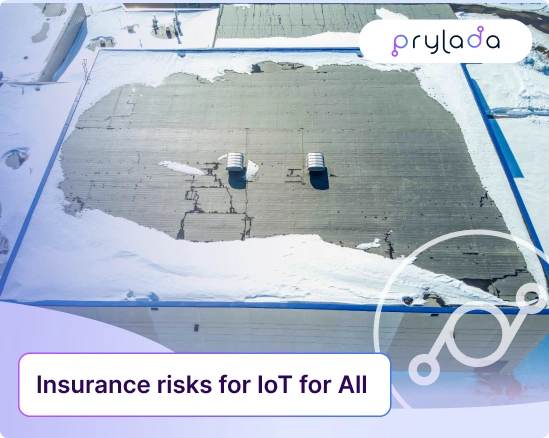
Why roof load monitoring is still failing, and what IoT is missing
Roof collapses remain a global issue despite IoT advances, revealing critical gaps between sensor data and actionable decision-making in roof load monitoring systems.
Zastosowania systemu monitorowania dachu Prylada
Modułowa konstrukcja systemu Prylada umożliwia szybkie wdrożenie monitorowania obciążenia śniegiem dachu w różnych typach obiektów. Rozwiązanie jest szczególnie odpowiednie dla firm, które nie posiadają jeszcze systemów predykcyjnego monitoringu dachu i poszukują kompleksowego systemu bezpieczeństwa podczas intensywnych opadów śniegu.Prylada może również pełnić funkcję nowoczesnej bezprzewodowej alternatywy dla tradycyjnych lokalnych systemów monitorowania konstrukcji dachowych.
- Hotele i obiekty hotelarskie: Duże dachy hoteli, zwłaszcza te z urządzeniami HVAC, tarasami na dachu lub przestrzeniami imprezowymi, należą do struktur o najwyższej odpowiedzialności, jeśli chodzi o nieoczekiwane nagromadzenie śniegu. Chroń gości, personel i operacje przez cały rok.
- Areny sportowe i stadiony: Konstrukcje dachowe o dużej rozpiętości o minimalnym nachyleniu są szczególnie podatne na gromadzenie się śniegu. Zapewnij bezpieczeństwo miejsca i unikaj kosztownych odwołań wydarzeń w szczycie sezonu zimowego.
- Budynki użyteczności publicznej: Biblioteki, domy kultury, a sale miejskie obsługują codziennie duży ruch pieszy. Ciągłe monitorowanie dachu pomaga zespołom obiektów spełniać obowiązki bezpieczeństwa publicznego bez polegania na reaktywnych inspekcjach.
- Szkoły i uniwersytety: Instytucje edukacyjne mają obowiązek opieki nad studentami i personelem. Automatyczne alerty zastępują doraźne kontrole ręczne i pomagają administratorom podejmować świadome decyzje dotyczące dostępu do budynku podczas obfitych opadów śniegu.
- Centra dystrybucji i centra logistyczne: Awaria dachu oznacza wyłączenie operacyjne: wstrzymane dostawy, uszkodzone zapasy i uszkodzone SLA. Monitorowanie sprawia, że łańcuch dostaw działa przez zimę bez domysłów.
- Centra danych i infrastruktura krytyczna: Przestój nie jest opcją. Monitorowanie dachu dodaje pasywną, zawsze włączoną warstwę bezpieczeństwa, która integruje się z istniejącym BMS bez zakłócania pracy lub wymagania obecności personelu na miejscu.
- Magazyny: Przechowywane towary i systemy regałów są zagrożone na długo przed pojawieniem się zdarzenia strukturalnego. Wczesne alerty o obciążeniu umożliwiają terminowe usuwanie śniegu przed osiągnięciem progów.
- Inne lokalizacje: Monitorowanie korzysta każdy płaski lub niski dach o dużej powierzchni: zakłady produkcyjne, chłodnie, magazyny transportowe i inne. Prylada dostosowuje się do określonej struktury i profilu ryzyka.

Lekka waga i kompaktowy rozmiar komponentów

Komunikacja bezprzewodowa: brak dodatkowych kabli do zarządzania i zabezpieczania przesyłania danych

Wygodna i łatwa instalacja, zarządzana przez jednego specjalistę
.svg)
Integracja z systemami zarządzania budynkami (BMS)
.svg)
Skalowalność parametrów pomiarowych (jakość powietrza, temperatura i inne)
Korzyści z wdrożenia systemu Prylada
Kompleksowe podejście
Prylada oferuje elastyczność jako samodzielny system lub uzupełnienie istniejącej konfiguracji monitorowania dachu, skutecznie pokrywając martwe punkty i zwiększając ogólną wydajność.
Programowalne scenariusze bez kodu
Łatwo dostosowuj programowalne sterowniki Prylada za pomocą intuicyjnego panelu sterowania. Chociaż skrypty są dostępne, programowanie monitorowania akumulacji śniegu jest całkowicie wolne od kodu, zapewniając szybką konfigurację i łatwość obsługi.
Długoterminowa wydajność
Nasze zdalne urządzenia do monitorowania obciążenia śniegiem są zaprojektowane z myślą o trwałości i wymagają minimalnej konserwacji, zapewniając opłacalne rozwiązanie zapewniające niezawodną i długotrwałą wydajność.
Integracja z systemami monitorowania innych firm
Interfejs API Prylada i standardowe wejścia/wyjścia przemysłowe ułatwiają integrację z innymi systemami sterowania, umożliwiając płynne udostępnianie danych i oferując skalowalność w przyszłych aktualizacjach.
Wczesne wykrywanie niebezpiecznych nagromadzeń śniegu
Wdrożenie rozwiązania do monitorowania obciążenia śniegiem firmy Prylada pozwala na wczesne wykrywanie niebezpiecznych akumulacji śniegu, pomagając uniknąć kosztownych uszkodzeń konstrukcyjnych. To proaktywne podejście zapewnia zgodność z przepisami bezpieczeństwa budynków, zmniejszając odpowiedzialność właścicieli nieruchomości oraz chroniąc mieszkańców i majątek.
Terminowa interwencja w celu zwiększenia bezpieczeństwa
Ułatwiając szybkie odśnieżanie, Prylada umożliwia właścicielom budynków i zarządcom obiektów zapobieganie sytuacjom awaryjnym i utrzymanie ciągłości działania. Poprawia to nie tylko ogólne bezpieczeństwo w miesiącach zimowych, ale także sprzyja bezpiecznemu środowisku dla wszystkich pasażerów.
Zautomatyzuj zdalny monitoring obciążenia śniegiem dachu dzięki jednemu, kompleksowemu systemowi Prylada
Skontaktuj się z namiWięcej rozwiązań od Prylada


.svg)
.svg)

.svg)

Najczęstsze obawy i pytania
Nadal zastanawiasz się, czy monitorowanie śniegu na dachu jest odpowiednie dla Twojego budynku? Oto odpowiedzi na pytania, które słyszymy najczęściej.